
Electronic music is an enormous world of sounds, rhythms, and creative possibilities. From atmospheric synthesizers to powerful club beats, electronic production has transformed how music is created and experienced.
Among its many styles, electro music occupies a distinctive place.
Known for its programmed drum patterns, synthetic basslines, futuristic textures, and rhythmic experimentation, electro helped shape the development of modern electronic dance music.
Its sound can be mechanical yet expressive, minimal yet energetic, and experimental while remaining deeply connected to dance culture.
For newcomers, the word electro can sometimes be confusing.
It is occasionally used as a general description for electronic music. However, electro also refers to a more specific musical tradition that developed during the early 1980s through the interaction of electronic instruments, hip-hop culture, funk, and pioneering studio production.
Understanding this distinction makes exploring electro radio much more rewarding.
A well-curated electro selection can introduce you to classic drum-machine grooves, robotic vocal effects, futuristic synthesizer melodies, and contemporary interpretations of the genre.
Whether you enjoy electronic dance music, hip-hop history, or innovative sound design, electro offers a fascinating listening experience.
In this guide, we'll explore electro's origins, musical characteristics, influential artists, essential tracks, and practical ways to appreciate its distinctive sound.
1. What Is Electro Music?
Electro is a genre of electronic music that emerged during the early 1980s.
It developed through the combination of electronic funk, hip-hop rhythms, drum machines, and synthesizer technology.
The genre is especially associated with syncopated electronic percussion, synthetic basslines, and futuristic sound effects.
Unlike house or techno, which frequently emphasize steady four-on-the-floor rhythms, classic electro often uses broken, syncopated drum patterns.
These rhythms create a distinctive sense of movement.
The defining characteristics of electro
Common elements include:
- Programmed electronic drum patterns.
- Syncopated rhythms.
- Synthetic basslines.
- Drum-machine percussion.
- Futuristic synthesizer melodies.
- Robotic or electronically processed vocals.
- Vocoder effects.
- Repetitive musical motifs.
- Electronic sound effects.
- Minimal or experimental arrangements.
Not every electro track contains all these elements.
Some recordings emphasize funk-inspired grooves, while others explore darker and more abstract electronic textures.
Why electro sounds different
Electro places considerable emphasis on the relationship between rhythm and electronic sound design.
A drum pattern may be simple, but carefully chosen percussion sounds can give it a distinctive character.
A bassline might consist of only a few repeating notes, yet changes in filtering and synthesis can make it feel constantly alive.
This attention to electronic texture is one of the genre's defining qualities.
2. The History of Electro: From Funk and Hip-Hop to Electronic Innovation
Electro developed during a period of rapid technological and cultural change.
During the late 1970s and early 1980s, electronic instruments became increasingly important in popular music.
Synthesizers, drum machines, and recording technology offered musicians new ways to create rhythms and melodies.
At the same time, hip-hop culture was developing in New York City.
DJs, dancers, and producers experimented with funk, disco, and electronic recordings.
These influences helped establish electro as a distinctive musical style.
The influence of funk
Funk provided an important rhythmic foundation.
Its syncopated basslines and percussion patterns encouraged musicians to experiment with groove.
Electro producers adapted these ideas using electronic instruments.
The influence of hip-hop
Early hip-hop culture emphasized rhythm, DJ techniques, and dance-oriented music.
Electro developed alongside these traditions.
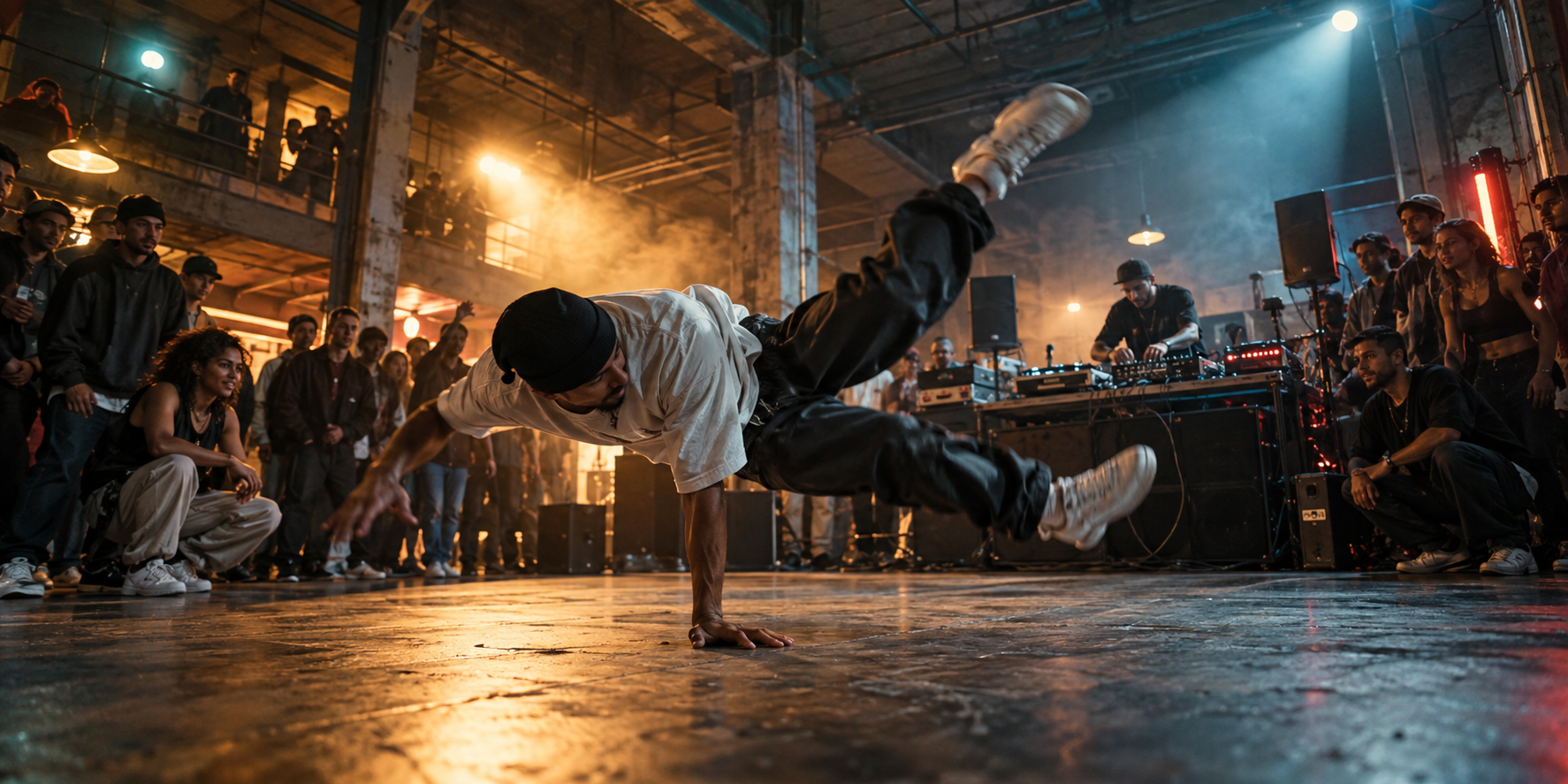
Breakdancing and electro recordings became closely associated during the early 1980s.
The importance of electronic instruments
Drum machines and synthesizers allowed producers to create sounds that differed from traditional acoustic instruments.
This helped establish electro's futuristic identity.
The role of Kraftwerk
German electronic group Kraftwerk was an important influence on electro's development.
Their recordings demonstrated how synthesizers, electronic rhythms, and robotic aesthetics could form the foundation of popular music.
Tracks such as "Numbers" and "Trans-Europe Express" influenced artists and DJs exploring new electronic sounds.
Electro's breakthrough
Afrika Bambaataa & the Soulsonic Force released "Planet Rock" in 1982.
Produced by Arthur Baker and John Robie, the recording became a landmark in electro and hip-hop history.
It combined electronic rhythms, synthesizer elements influenced by Kraftwerk, and hip-hop performance.
The track helped introduce electro's futuristic sound to wider audiences.
3. Understanding Electro's Drum-Machine Rhythms
Rhythm is central to electro.
Many classic electro recordings use drum machines to create precise, syncopated patterns.
The Roland TR-808
The Roland TR-808 Rhythm Composer became one of the most influential instruments in electro history.
Released in 1980, the drum machine produced distinctive electronic percussion sounds.
Its kick drum, snare, clap, hi-hats, and other synthesized sounds became recognizable elements of early electro.
Why the TR-808 mattered
The TR-808 allowed producers to program rhythms rather than rely entirely on live drummers.
Its electronic sound gave recordings a distinctive character.
The machine also allowed musicians to experiment with unusual patterns and accents.
Broken beats
Classic electro often uses broken rhythms rather than a constant kick drum on every beat.
The placement of kicks, snares, and percussion creates syncopation.
This makes the groove feel energetic and sometimes unpredictable.
Listening tip: Follow the snare
When listening to electro radio, focus on the snare drum or clap.
Notice how it interacts with the kick drum.
Then listen to the hi-hats and additional percussion.
These elements often reveal the track's rhythmic personality.
4. The Role of Synthesizers in Electro
Synthesizers are essential to electro's musical identity.
They allow producers to create sounds that would be difficult or impossible to reproduce using traditional instruments.
What is a synthesizer?
A synthesizer generates and modifies sound electronically.
Musicians can shape characteristics such as pitch, tone, envelope, and modulation.
This allows the creation of basslines, melodies, effects, and atmospheric textures.
Electro basslines
Electro often features synthetic bass sounds.
These basslines may be:
- Deep and rounded.
- Sharp and percussive.
- Repetitive and hypnotic.
- Funk-inspired.
- Distorted or modulated.
- Minimal and mechanical.
Melodic synthesizers
Synthesizers can also provide memorable melodic hooks.
Some electro tracks use short repeating phrases.
Others feature more elaborate melodies.
Futuristic textures
Electronic effects contribute to electro's distinctive atmosphere.
A recording may include metallic sounds, filtered tones, or unusual modulation.
These details can make the music feel futuristic.
Why sound design matters
In electro, the character of a sound can be as important as the notes being played.
A simple bassline can become memorable through its timbre and rhythmic placement.
5. Electro and the Art of Syncopation
Syncopation is one of electro's defining rhythmic features.
It occurs when musical accents emphasize unexpected positions within the beat.
Understanding syncopation
In a straightforward rhythm, strong accents often fall on predictable beats.
Syncopation shifts some of these accents.
This creates rhythmic tension and movement.
Why electro uses syncopation
Electro developed through musical traditions that emphasized groove.
Funk and hip-hop both contributed to its rhythmic character.
By programming syncopated drum patterns, producers created grooves that felt mechanical and danceable at the same time.
Listening exercise
Choose a classic electro track.
Tap your foot to the main pulse.
Then listen for kick drums or percussion hits that fall between your taps.
These unexpected accents contribute to the groove.
6. Electro vs. Electronic Music: Understanding the Difference
The words electro and electronic music are sometimes used interchangeably.
However, they do not necessarily mean the same thing.
Electronic music
Electronic music is a broad category covering styles such as:
- House.
- Techno.
- Trance.
- Ambient.
- Drum and bass.
- Electro.
- Dubstep.
- Synth-pop.
- Experimental electronic music.
Electro
Electro is a more specific musical tradition associated with syncopated drum-machine rhythms, synthetic basslines, and futuristic production.
Why the distinction matters
If you're searching for classic electro, a general electronic music station may not provide the sound you expect.
Look for programming that specifically emphasizes electro, electro-funk, or related styles.
7. Electro vs. House Music
Electro and house both rely heavily on electronic instruments.
However, their rhythmic foundations often differ.
House music
House typically emphasizes a steady four-on-the-floor kick drum.
This creates a continuous dance pulse.
Electro music
Electro often uses broken beats and syncopated drum patterns.
Its rhythmic movement may feel more angular.
Shared characteristics
Both genres can feature:
- Synthesizers.
- Electronic basslines.
- Drum machines.
- Repetitive musical structures.
- Dance-oriented arrangements.
How to recognize the difference
Listen to the kick drum.
If it plays consistently on every beat, the recording may be closer to house.
If the rhythm is broken and syncopated, it may reflect electro traditions.
These are general tendencies rather than strict rules.
8. Electro vs. Techno
Electro and techno share historical connections through electronic instruments and futuristic aesthetics.
However, they developed distinct musical identities.
Techno
Techno is strongly associated with Detroit's electronic music culture.
Many techno recordings emphasize repetitive four-on-the-floor rhythms and gradual changes in texture.
Electro
Electro often emphasizes broken beats, funk-inspired syncopation, and distinctive drum-machine programming.
Historical connections
Early Detroit electronic music developed through influences that included funk, European electronic music, and electro.
Artists sometimes explored both electro and techno.
Why listeners should explore both
Comparing the genres reveals different approaches to electronic rhythm.
Electro often emphasizes rhythmic variation.
Techno frequently explores repetition and gradual transformation.
9. Electro vs. Electro House
One of the most common sources of confusion is the distinction between electro and electro house.
Despite the similar names, they refer to different musical traditions.
Classic electro
Classic electro developed during the early 1980s.
It is associated with:
- Broken beats.
- Drum machines.
- Hip-hop and funk influences.
- Synthetic basslines.
- Robotic aesthetics.
Electro house
Electro house developed much later as a style of house music.
It commonly features:
- Four-on-the-floor rhythms.
- Aggressive synthesizer basslines.
- Club-oriented arrangements.
- Strong builds and drops.
The key difference
Classic electro is closely connected to electro-funk and early hip-hop.
Electro house belongs to a later branch of electronic dance music.
Understanding this distinction helps when exploring electro radio stations.
10. Influential Electro Artists and Producers
Electro's history includes numerous musicians who helped shape its sound.
Afrika Bambaataa & the Soulsonic Force
Their recording "Planet Rock" became one of electro's defining early releases.
It helped connect hip-hop culture with electronic production.
Arthur Baker
Arthur Baker played an important role in early electro production.
His work helped establish the sound of influential recordings during the 1980s.
Man Parrish
Man Parrish became known for electronic dance recordings associated with early electro.
"Hip Hop, Be Bop (Don't Stop)" is an important example.
Hashim
Hashim's "Al-Naafiysh (The Soul)" became an influential electro recording.
Its electronic rhythms and distinctive vocal elements helped define the genre's early sound.
Cybotron
Cybotron, associated with Juan Atkins and Richard Davis, played an important role in the development of Detroit electronic music.
"Clear" is a landmark recording connecting electro and the emerging Detroit sound.
Egyptian Lover
Egyptian Lover became known for his distinctive use of drum machines and electronic funk influences.
His recordings helped shape West Coast electro culture.
Drexciya
Drexciya became influential through experimental electro recordings and a distinctive conceptual identity.
Their music explored complex rhythms, atmospheric textures, and futuristic electronic sounds.
Anthony Rother
Anthony Rother is associated with modern electro production.
His recordings often feature robotic vocals, precise rhythms, and electronic sound design.
Aux 88
Aux 88 contributed to the development of Detroit electro and techno-bass.
Their work emphasizes powerful electronic rhythms and futuristic production.
These artists demonstrate electro's historical depth and musical variety.
11. Essential Electro Tracks for Beginners
If you're exploring electro for the first time, several recordings offer useful starting points.
1. Afrika Bambaataa & the Soulsonic Force – Planet Rock
A foundational electro recording.
Listen for the electronic percussion and Kraftwerk-inspired synthesizer elements.
2. Man Parrish – Hip Hop, Be Bop (Don't Stop)
An influential example of early electro's relationship with hip-hop culture.
3. Hashim – Al-Naafiysh (The Soul)
A classic electro track featuring distinctive rhythms and electronic textures.
4. Cybotron – Clear
An important recording in the development of Detroit electronic music.
Notice the mechanical groove and synthetic bassline.
5. Egyptian Lover – Egypt, Egypt
A recognizable example of West Coast electro.
Focus on the drum-machine programming and electronic funk influences.
6. Kraftwerk – Numbers
An influential electronic recording that helped inspire electro producers.
Listen to the precise rhythms and robotic aesthetic.
7. Newcleus – Jam On It
An energetic electro-funk recording with memorable vocal elements.
8. Drexciya – Wavejumper
An example of later electro experimentation.
Notice the detailed electronic rhythms and atmospheric production.
These tracks provide a useful introduction to electro's development.
12. Electro-Funk: Where Electronic Production Meets Groove
Electro-funk is closely associated with the early development of electro.
It combines funk-inspired rhythmic ideas with electronic instruments.
Musical characteristics
Electro-funk often features:
- Syncopated drum-machine patterns.
- Synthetic basslines.
- Funk-inspired grooves.
- Electronic melodies.
- Vocoder effects.
- Dance-oriented arrangements.
Why it matters
Electro-funk helped establish the relationship between electronic production and hip-hop dance culture.
Its influence can be heard in later electronic music.
How to listen
Focus on the bassline and drum pattern.
Notice how the groove remains recognizable despite the synthetic instrumentation.
13. The Influence of Electro on Hip-Hop
Electro and hip-hop developed through closely connected musical communities.
During the early 1980s, electro recordings became popular within hip-hop and breakdancing culture.
Breakdancing
Electro's syncopated rhythms provided energetic music for dancers.
Its electronic percussion created distinctive movement.
DJ culture
DJs incorporated electro recordings into sets alongside funk, disco, and early hip-hop.
Production techniques
Drum machines and synthesizers became increasingly important in hip-hop production.
Electro helped demonstrate the creative possibilities of electronic rhythm programming.
Long-term influence
Electro's rhythmic and production innovations contributed to later developments in electronic hip-hop and bass music.
14. The Influence of Electro on Modern Electronic Music
Electro helped establish production approaches that remain influential today.
Drum-machine programming
Programmed electronic rhythms became central to many later genres.
Synthetic basslines
Electronic bass design developed into an important part of dance music production.
Robotic vocal effects
Vocoders and other vocal-processing techniques became recognizable features of electronic music.
Futuristic aesthetics
Electro's interest in technology and science-fiction imagery influenced later electronic music cultures.
Rhythmic experimentation
Broken beats and syncopation remain important in many electronic styles.
15. How to Listen to Electro More Closely
Electro rewards attention to production details.
A track may sound simple at first, but repeated listening can reveal subtle changes.
First listen: Follow the drums
Focus on the kick, snare, clap, and hi-hats.
Notice how the rhythm creates movement.
Second listen: Follow the bass
Identify the main bassline.
Does it repeat consistently or change throughout the track?
Third listen: Explore the synthesizers
Listen for melodic hooks, atmospheric textures, and unusual electronic sounds.
Fourth listen: Notice sound effects
Pay attention to filtering, modulation, and vocal processing.
Fifth listen: Observe the arrangement
Notice when instruments enter or disappear.
These changes can create tension and release.
Sixth listen: Enjoy the complete groove
Finally, listen without concentrating on a single element.
Notice how the rhythm and electronic textures work together.
16. A One-Hour Electro Listening Journey
An hour of electro can introduce you to several important periods and production approaches.
The following plan provides a balanced introduction.
Use the time blocks as flexible listening windows rather than exact track durations.
Minutes 0–10: Explore early electronic influences
Suggested artist: Kraftwerk
Start with recordings such as "Numbers."
Focus on the programmed rhythms and electronic textures.
Minutes 10–20: Discover electro's breakthrough
Suggested track: Afrika Bambaataa & the Soulsonic Force – Planet Rock
Listen for the relationship between hip-hop performance and electronic production.
Minutes 20–30: Explore classic electro-funk
Suggested artists: Man Parrish and Hashim
Notice the syncopated rhythms and distinctive synthesizer sounds.
Minutes 30–40: Experience Detroit electro
Suggested artist: Cybotron
Listen to "Clear" and explore its futuristic production.
Minutes 40–50: Discover West Coast electro
Suggested artist: Egyptian Lover
Focus on drum-machine programming and electronic funk influences.
Minutes 50–60: Explore experimental electro
Suggested artists: Drexciya and Anthony Rother
Notice how later producers developed new electronic textures while preserving electro's rhythmic identity.
Reflect on your listening experience
After the hour, ask yourself:
- Which drum pattern was most memorable?
- Which bassline stood out?
- Did you prefer classic electro-funk or experimental electro?
- Which recording had the most interesting sound design?
- Which artists would you like to explore further?
These questions can help you discover your preferred electro style.
17. Electro Music for Different Listening Moments
Electro can complement different activities depending on the recording.
Focused listening
Experimental electro rewards close attention to rhythmic and electronic details.
Creative work
Some listeners enjoy instrumental electro while working on creative projects.
Its repetitive patterns can provide a consistent musical atmosphere.
Exercise
Energetic electro recordings can provide a rhythmic soundtrack for physical activity.
Gaming
Futuristic electronic textures can complement certain gaming experiences.
Social gatherings
Classic electro-funk can create an energetic and nostalgic atmosphere.
Music exploration
Electro is particularly rewarding for listeners interested in the history of electronic production.
18. What Makes a Good Electro Radio Station?
A good electro radio selection should balance musical history, rhythmic variety, and sound design.
Classic electro recordings
Early electro tracks provide valuable historical context.
Modern electro productions
Contemporary recordings demonstrate how the genre continues to evolve.
Rhythmic variety
A station can explore different drum-machine patterns and production approaches.
Musical flow
Smooth transitions can help maintain the listening experience.
Artist diversity
Featuring different producers introduces listeners to a broader range of electro sounds.
Clear genre focus
Because the word electro is sometimes used broadly, station descriptions can help clarify whether programming focuses on classic electro, electro-funk, electro house, or general electronic music.
19. How to Build Your Own Electro Playlist
Creating an electro playlist is an excellent way to explore the genre.
Start with influential classics
Begin with recordings such as "Planet Rock" and "Clear."
Add electro-funk
Include tracks that emphasize funk-inspired grooves.
Explore different regional traditions
Compare early New York electro with Detroit and West Coast recordings.
Introduce experimental artists
Add tracks by Drexciya and other producers associated with later electro.
Balance intensity
Mix energetic recordings with more atmospheric tracks.
Pay attention to transitions
Try grouping songs with compatible rhythms and energy levels.
Finish with a memorable recording
Choose a track that represents the sound you enjoyed most.
20. Discover Electro and Other Electronic Music on 1LiveRadio
Online radio provides an easy way to explore electronic music from different countries and musical traditions.
If you enjoy electro, you may also appreciate:
- Electro-funk.
- Detroit techno.
- House.
- Breakbeat.
- Synth-pop.
- Electronic hip-hop.
- Bass music.
- Experimental electronic music.
- Ambient electronic music.
Each style offers a different approach to rhythm, technology, and musical expression.
Visit 1LiveRadio to browse available radio stations and discover music from around the world.
Explore station categories and descriptions to find programming that matches your interests.
Whether you're interested in classic drum-machine grooves or contemporary electronic experimentation, online radio can help you discover new sounds.
Station availability and programming may vary.
Frequently Asked Questions About Electro Music
What is electro music?
Electro is an electronic music genre associated with syncopated drum-machine rhythms, synthetic basslines, and futuristic production.
When did electro music begin?
Electro emerged during the early 1980s.
Where did electro originate?
Electro developed through interactions between electronic funk, hip-hop culture, and electronic music production, particularly in the United States.
Is electro the same as electronic music?
No. Electronic music is a broad category, while electro refers to a more specific musical tradition.
Is electro the same as electro house?
No. Classic electro developed in the early 1980s, while electro house emerged much later as a branch of house music.
What instruments are used in electro?
Electro commonly uses drum machines, synthesizers, sequencers, and electronic effects.
Why is the Roland TR-808 important?
The TR-808 became influential because of its distinctive electronic percussion sounds and programmable rhythms.
Who are some famous electro artists?
Important artists include Afrika Bambaataa & the Soulsonic Force, Man Parrish, Hashim, Cybotron, Egyptian Lover, Drexciya, and Anthony Rother.
What is electro-funk?
Electro-funk combines funk-inspired rhythms with electronic instruments and production techniques.
Is electro related to hip-hop?
Yes. Electro developed alongside early hip-hop culture and became closely associated with breakdancing and DJ culture.
What is the difference between electro and techno?
Electro often emphasizes broken, syncopated rhythms, while techno frequently uses steady four-on-the-floor patterns.
Is electro suitable for dancing?
Yes. Many electro recordings were created for dance-oriented environments.
Can electro be relaxing?
Some electro recordings feature minimal or atmospheric arrangements that listeners may find relaxing.
Where can I discover electro music online?
You can explore electro through online radio, streaming services, DJ mixes, and specialist electronic music collections.
Final Thoughts: Discovering the Details That Define Electro
Electro is one of electronic music's most influential and distinctive traditions.
Its identity comes from the creative relationship between programmed rhythms, synthetic basslines, and electronic sound design.
From early electro-funk and hip-hop connections to Detroit experimentation and contemporary productions, the genre demonstrates how technology can become a powerful tool for musical expression.
For newcomers, the best approach is to listen with curiosity.
Start with the drums.
Follow the bassline.
Notice the synthesizers.
Pay attention to small changes in texture and rhythm.
You may discover that a simple electronic pattern can contain more musical detail than it initially appears to.
Electro does not always rely on dramatic choruses or complicated arrangements.
Sometimes, a carefully programmed drum pattern and a memorable bassline are enough to create a distinctive musical experience.
The beauty of electro lies in the way precise electronic sounds become expressive, rhythmic, and deeply human.
Whether you prefer classic electro-funk, experimental electronic production, or futuristic dance rhythms, electro radio offers a fascinating journey through the history and creativity of electronic music.
Explore more music and discover online radio stations at 1LiveRadio.
Reader comments
No comments yet. Start the conversation.
Leave a comment
Your email stays private. Comments appear after approval.